
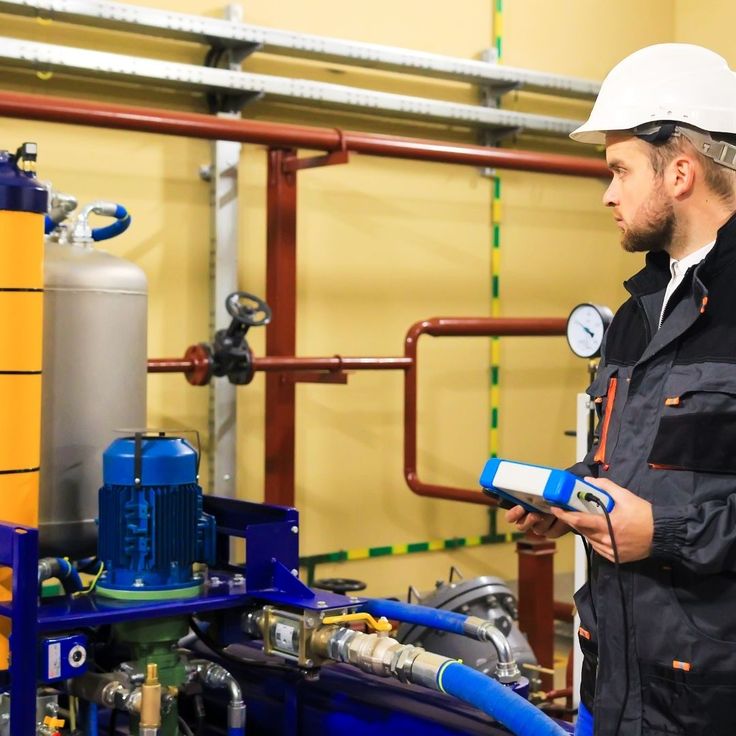
Plumbing is not a trifle matter as far as industrial properties are concerned. It is the blood that flows in running the operations. However, several property managers are being faced with some unforeseen plumbing issues that may interfere with the workflow and cause expensive downtime. Clogging of full drains systems and bursting of drains, which will just appear as if the drain springs out of the ground, are more widespread than one would assume. These challenges are important to understand and to deal with in order to ensure efficiency and prevent costly repairs in the future. We will explore the most common plumbing issues that affect the industrial properties and discuss the solutions which work best in order to keep your facility running at its optimal level.
Common problems in industrial plumbing: clogged drains, broken pipes, and leaks
There are special plumbing needs of the industrial plumber melbourne properties that may interfere with the operations. Another heavily occurring problem is clogged drains which are usually triggered by the accumulation of debris or by the excess amount of wastewater. This may bring about sluggish drainage and probably backups.
There is also the issue of broken pipes. These pipes are prone to cracks and breaks, because of aging infrastructure, and high-pressure systems. When this occurs, it may end up costing too much to repair and also delay production.
Industrial settings are also exposed to serious threats posed by leakages. They not only waste water, but in addition, they can destroy equipment and facilities. Early detection of leaks is important to limit effects on productivity.
These problems are best solved as soon as they occur so that it leads to a smoother operation in the businesses that depend on the reliable plumbing systems.

Causes of these problems: heavy usage, aging infrastructure, and lack of maintenance
High usage is a major cause of plumbing problems in the industrial premises. The wear and tear of pipes can be due to the constant moving of water and burdens that are laid on the pipes. The equipment that is in operation 24 hours can compound this strain and this requires careful monitoring of systems.
This is also contributed by aging infrastructure. The pipes used in older pipes might have been of low quality that deteriorates easily or may not be up to the present-day standards. This wear causes cracks and weaknesses at which leakages frequently take place.
These problems are increased by lack of maintenance. A plumbing system should be always inspected and repaired in case of industrial setting. The small problems may start leading to serious failures even before being realized when they are not addressed in terms of routine checks. Insensitivity to maintenance has the power of transforming minor inconveniences into future stressful moments at the expense of the organization.
Strategies for preventing plumbing issues in industrial properties
The prevention of the plumbing problem in industrial properties begins with the active approach. Periodic inspections are significant. Arrange them not less than twice a year to be aware of any possible issues before they become serious.
Training of the employees is also necessary. Train employees on how to dispose of waste properly as well as the repercussions of not taking care of small leaks or clogs. This small measure can help a great deal in minimizing the plumbing accidents.
Use quality materials in the installation of pipes and fixtures. Increase in the initial cost would tend to result in the saving in the long run as maintenance would be limited and durability would be increased.
Introduce a cleaning schedule of the drains and sewer lines. This is used to eliminate the accumulation of rubbish which may result in blockages with time.
Think of the use of technology like sensors to track the usage of water. Early warnings of leaks or other plumbing issues can be detected by spikes that are abnormal indicating that there is very little damage that can be done to the plumbing and repair expenses are also minimized.
Steps to fixing clogged drains, broken pipes, and leaks
Unblocking clogged drains begins by determining the obstruction. Small clogs can be removed with a plunger and one should press hard to loosen the debris. Unless that helps, a snake used by a plumber should be tried to get deeper obstructions.
In the case of broken pipes, the water supply should be first turned off. Evacuate the affected region and determine the extent of damage. Minor cracks may be filled with epoxy or pipe repair tape. In case of a major break, the replacement can be required; remove the damaged part and put in place the new pipes.
Leaks should also be addressed immediately. Find the origin with joint and connection inspection. Loose fittings are sometimes fixed by tightening. In the case of chronic leakage, it is better to use sealant or seek expert assistance in that case.
Any of the steps should be handled carefully and with precision in order to prevent additional problems in your industrial plumbing system.
Importance of regular maintenance and inspections for industrial plumbing
Plumbing systems in industrial premises can be maintained and checked on a regular basis, which is vital to the process of its durability and performance. Such facilities are prone to several plumbing problems because they are highly used. The active position will save time, funds, and pains in the future.
Periodic inspection will enable the professional to detect the possible issues before they get out of hand. Small leaks or wear are easy to detect when they are still new and do not require expensive repairs in the future. Routine repairs also lead to a longer life of your plumbing infrastructure besides making all its applications even more efficient.
Having a regular check up schedule will help you know the state of your systems. It entails checking of pipes, drains, valves and fixtures. This is done to ensure that water quality and pressure is constantly maintained but also to reduce the disturbances in the day-to-day operations.
A good maintenance schedule creates a safer atmosphere since the chances of not taking care of plumbing problems are minimized. You will be building a more stable operation by investing in routine maintenance of the plumbing system within your industrial property to facilitate productivity without facing any inconvenience caused by the sudden breakdown, or the costs incurred to repair emergency cases.