
Learning about how flexible temporary structures may be
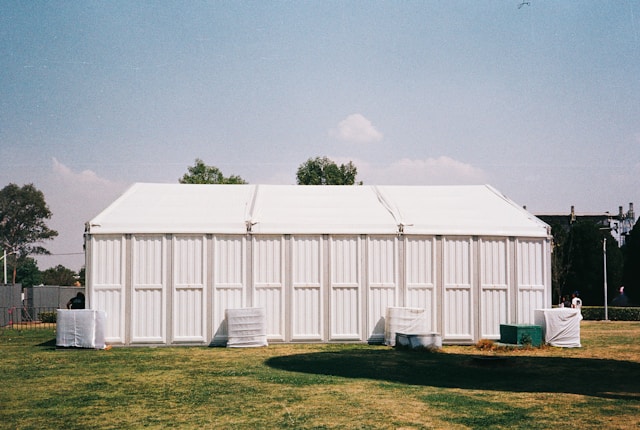
Temporary buildings are becoming an important option in many fields since they provide quick, flexible, and useful space for a wide range of uses. These structures can be used as shelters and for work on construction sites, emergency relief areas, events, and factories. They can be put up and taken down quickly and cheaply, unlike permanent buildings. Not only is a temporary construction used for a limited time, but it may also be put together and taken apart quickly. Most of the time, these systems are modular, which means you can change their size, layout, and purpose. Temporary structures can be customised to fit the needs of any project, whether it’s a warehouse extension, a pop-up store, or a temporary school classroom.
We choose the materials, like steel frames, aluminium trusses, PVC membranes, and insulated panels, based on how strong and easy they are to move. These parts work together to make constructions that can stand up to the weather, last a long time, and be used again and again. A lot of them can handle wind, rain, and sun, so they are safe and comfortable even in bad weather.
Main Uses and Benefits in Many Fields
One of the best things about temporary structures is how quickly they can be set up. In times of crisis, like natural disasters or humanitarian emergencies, these buildings may be put up in a matter of hours or days to provide refuge, medical care, or food distribution stations right away. In cases where time is of the essence, their quick setup makes them essential. Temporary buildings are often utilised as site offices, lunchrooms, storage areas, and places for workers to stay in the construction and mining industries. As projects change, they can be moved, which is a cheap and useful solution for the whole project lifecycle. Temporary infrastructure enables these companies to keep working without disruptions.
Event planners and firms in the hospitality industry also use temporary buildings a lot for weddings, festivals, exhibits, and corporate events. These settings can be just as comfortable and beautiful as permanent venues thanks to current design features like clear-span roofs, glass walls, lighting systems, and climate control. The ability to change the design makes each event stand out and look different. When permanent schools, clinics, and testing centres are being renovated or are in high demand, temporary ones help fill the gap in education and healthcare. These buildings are useful and safe places for communities to gather, especially during times of expansion or crisis. They don’t require a lot of money to maintain.
Options for design, engineering, and customisation
Just because something is temporary doesn’t mean it’s basic. A lot of the temporary buildings we see today are actually built to last a long time. Advanced engineering makes sure that the structure is strong, and modular construction lets you choose the insulation, ventilation, internal finishes, and outside looks that you choose. Depending on what they will be used for, buildings can have electrical systems, plumbing, HVAC, fire prevention, and security features. Because they may be utilised for so many different things, they can be used for anything from high-tech labs to refrigerated storage units.
Customisation is quite crucial for business clients who need areas with their own brand. You can construct temporary retail spaces, pop-up stores, and promotional pavilions that mirror your brand’s personality. This will provide customers an immersive experience without breaking the bank. Structural engineering is also very important for making sure that things are safe and up to code. Good providers give you proof and certificates for things like wind loading, snow loads, fire ratings, and building codes. This makes property owners, event planners, and business owners feel better.
Space solutions that are good for the environment and your wallet
Sustainability is another big benefit of temporary constructions. A lot of systems can be used again, moved, and created from materials that can be recycled. They are better for the environment than single-use buildings or permanent buildings that can be torn down after a short time because they can be taken apart and stored or used for something else. Temporary buildings are far cheaper than typical construction when it comes to expense. They need less stuff, less work, and shorter project times. There is no need for deep foundations or heavy gear, which cuts down on costs and site effect. As organisations and organisations are under increased pressure to be more flexible, temporary structures are a good method to deal with change. These solutions give you the ability to scale your business, start new services, or respond to emergencies without having to pay for permanent infrastructure.