

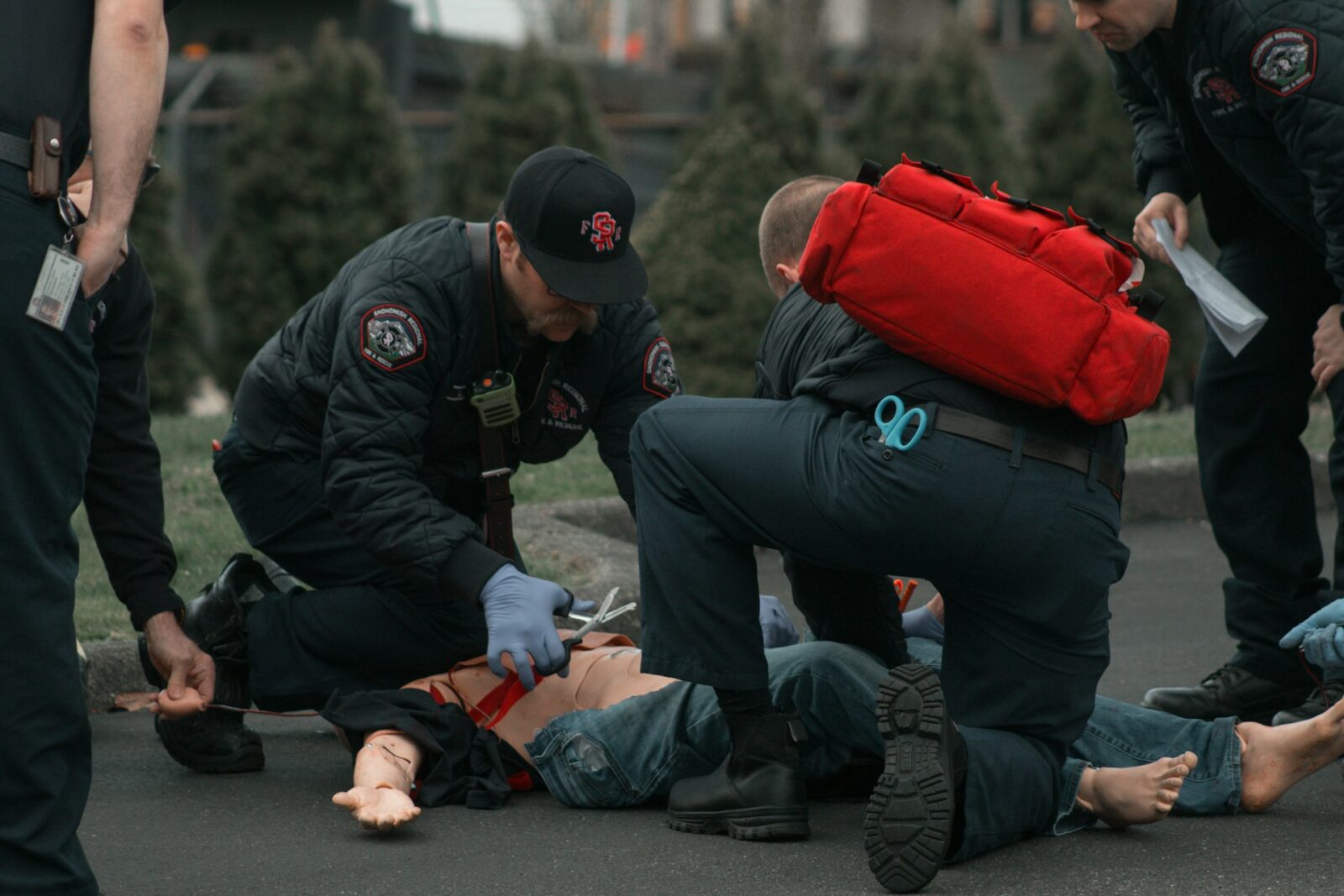
Firefighting is a profession that is a challenge. It does not only demand physical strength but also fast thinking and training. With the changing technology, the methods employed in training of firefighters towards real-life emergencies change as well. The current fire training systems are on the leading edge of this development and this provides new solutions that improve the learning process. Advanced systems combining old methods with the latest technology are considered to be the most effective and realistic in terms of training.
As the demand of professional responders in different situations grows, it is essential to know how these contemporary systems work. Since simulations in virtual reality to interactive live-fire exercises, the modern training tools provide the firefighters with the required skills and prioritize safety. Get into this blog article and get insights on some of the main features that characterize the current fire training system and how it is transforming fire fighting preparedness in the world.
The Need for Advanced Fire Training Techniques
Firefighting is an exciting and a risky job. Although good training techniques, traditional techniques are not always able to replicate real life situations.
With modern materials and buildings, fires are getting more complex and thus the necessity behind sophisticated methods has never been higher. Firefighters are faced with complications such as harmful chemicals or very fast spread of fire which cannot be easily simulated in a normal environment.
Furthermore, stressful situations require hasty skills in decision-making. Modern training systems offer total experience training, which equips the firefighters to handle such extreme situations. Simulation of virtual reality can be used to reproduce different fire conditions without the dangers of live burns.
Continuous training is also essential because firefighting technology and techniques are constantly evolving. Contemporary methods help keep personnel updated with best practices and safety protocols needed to protect lives and property effectively.
By adopting advanced firefighter training, responders become safer, more skilled, and better prepared for any emergency in the workplace or the field.
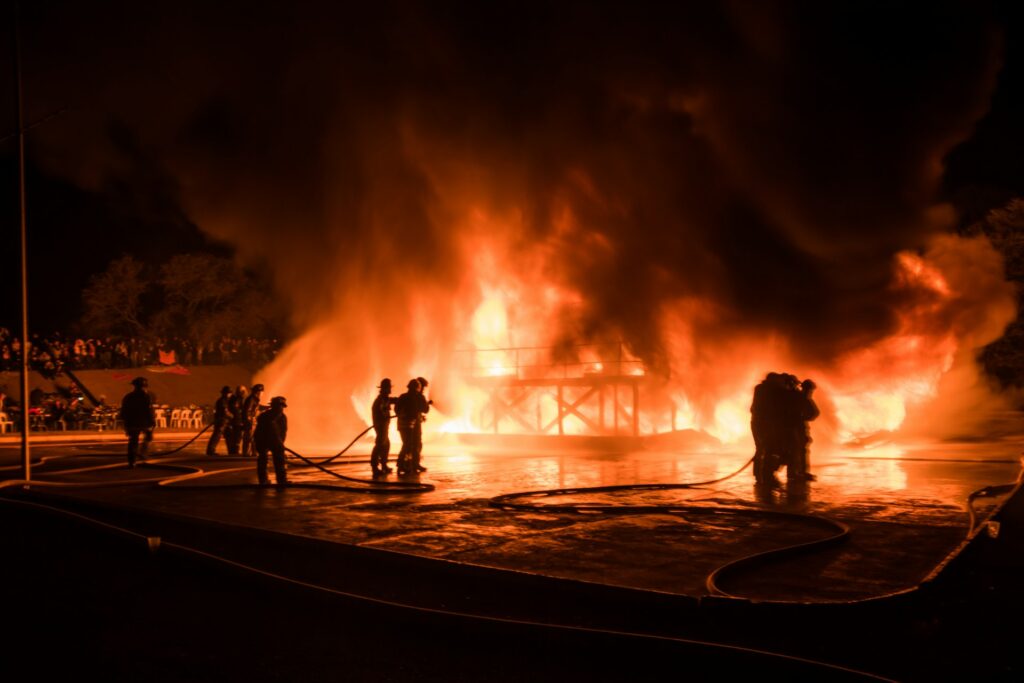
Features of Modern Fire Training Systems
The present fire training systems are characterized by a variety of new features that aim at making the learning process of firefighters more interesting. The use of virtual reality (VR) technology that serves to ensure that trainees are placed in real-life situations without any physical harm is one of the most striking factors. This enables them to be good at making critical decisions.
Another feature of interactive simulations is included with dynamic environments where the environment will vary over the actions of the trainee. Such flexibility means every session is new and interesting.
High-grade data analytics are also critical in such systems. With the help of monitoring the performance indicators, the trainers will be able to give individual feedbacks, identifying the areas where they need to improve.
In addition, the mobile access offers enhanced training to firefighters like never before to train anywhere in case they are not available or to review past sessions. The developments do not only make training easier but also create a culture of constant learning and growth between departments.
Challenges and Limitations with Implementing Modern Fire Training
There are challenges of implementing modern fire training systems. There is one major challenge, which is the cost of advanced technology. A lot of departments cannot afford high-tech equipment and software.
The training instructors also require specialized skills to be able to use these complex systems. The learning curve may be steep resulting into the possibility of knowledge gaps that may arise in training sessions.
In addition, the incorporation of new systems in the existing curriculums is logistically challenging. Part of this friction can be seen in some trainers who are comfortable with old ways and will not welcome change.
It is also the issue of realistic scenarios when it comes to the application of virtual simulations. Trainees may be less equipped to handle the real-life emergencies without actual experience.
Every facility is not able to host state of the art training programs. The lack of space or obsolete infrastructure may be an obstacle towards the successful application and use of modern tools that can achieve the best learning results.
Future Outlook and Advancements in Fire Training
The future of the fire training systems is likely to experience incredible development. With the further development of technologies, we will be able to witness even more interactive and immersive experiences of the trainees. VR and AR are already stirring the waters in the field, and they provide firefighters with an opportunity to experience the simulated real-life situation risk-free.
In addition, the inclusion of artificial intelligence in the training programs is exciting. Real-time trainee performance can be evaluated using AI-driven analytics and personalized feedback will improve the learning process. Such objective-based practice may result in more efficient training practices that are focused on personal requirements.
Sustainability will also be at the limelight as fire departments pursue environmentally friendly solutions. Contemporary systems can use renewable energy or work on reducing waste when holding training exercises. These initiatives do not only minimize the effects on the environment but also enhance a responsibility culture in the firefighting teams.
Further cooperation between various emergency services is another trend that can be observed in the future. Training of medical staff and police together will result in the establishment of a more effective level of cooperation when dealing with an emergency, and this will lead to safer communities in the end.
With these developments, they have massive possibilities of equipping firefighters with the unceasing challenges that they encounter in their day to day tasks. This is because the commitment to never-ending development of fire training embodies a larger commitment to saving lives and protecting communities throughout the world.