
Choosing suitable trenching machinery begins with understanding the purpose and scope of the excavation work. Different projects require different trench dimensions, depths and excavation methods. For example, installing underground water pipes may involve different requirements from preparing trenches for electrical cables, drainage systems or telecommunications infrastructure.
Before selecting equipment, contractors should assess the project specifications, soil conditions, available working space and expected completion time. These factors help determine which machine can perform the work efficiently without creating unnecessary disruption.
The surrounding environment should also be considered. Residential developments, commercial construction sites and open rural areas may require different machinery depending on accessibility and nearby structures.
Mini Excavators for Restricted Working Areas
Mini excavators are useful for trenching projects where space is limited. Their compact design allows operators to work in narrow areas that may not accommodate larger excavation machinery.
These Cairns office for trenchers machines are commonly used for residential plumbing installations, landscaping projects, small drainage systems and utility connections. Their manoeuvrability makes them suitable for working around existing buildings, fences and other obstacles.
Mini excavators are available with different bucket sizes and attachments, allowing contractors to adapt the equipment to specific excavation requirements. However, their digging capacity and operating reach may be more limited than those of larger machines.
When selecting a mini excavator, consider its digging depth, operating weight, bucket capacity and access requirements.
Trenchers for Long and Consistent Excavations
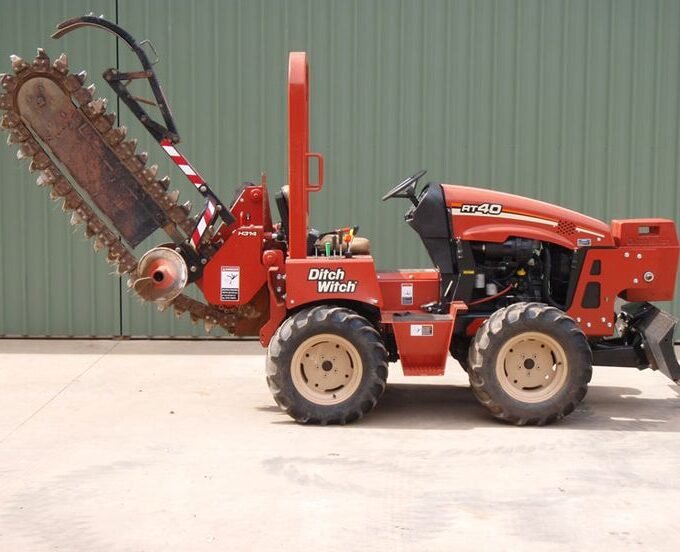
Dedicated trenchers are designed to create narrow, continuous trenches efficiently. They are particularly suitable for projects involving underground cables, irrigation systems, water lines and certain drainage installations.
Chain trenchers use a digging chain fitted with cutting teeth to remove soil, while wheel trenchers use a rotating cutting wheel. The appropriate design depends on the required trench dimensions, ground conditions and project specifications.
Trenchers can provide consistent excavation widths, helping contractors prepare suitable spaces for underground installations. They are often beneficial when a project involves long trench sections that require uniform dimensions.
Before hiring or purchasing a trencher, assess the soil type, required cutting depth and available operating space.
Standard Excavators for Larger Trenching Projects
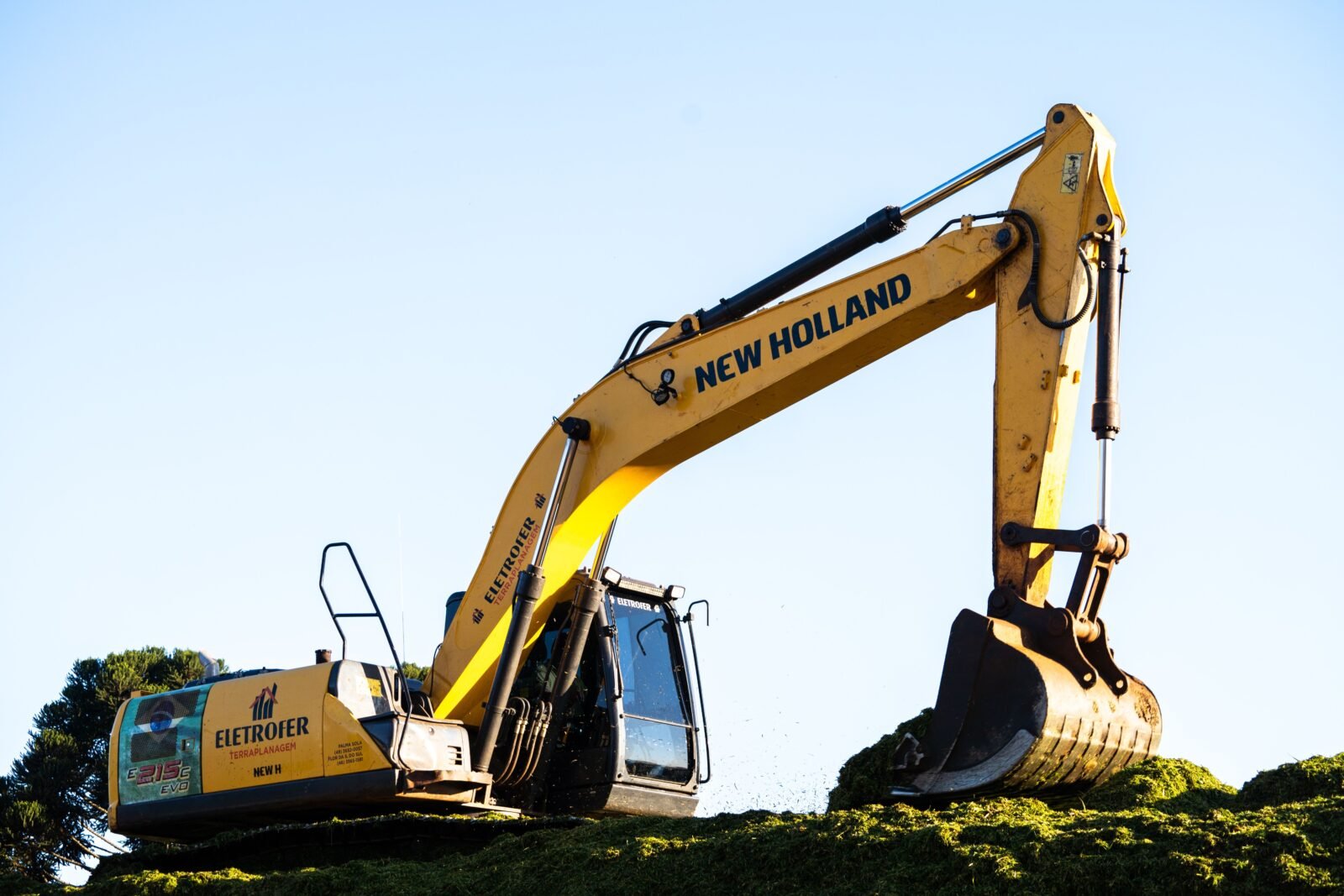
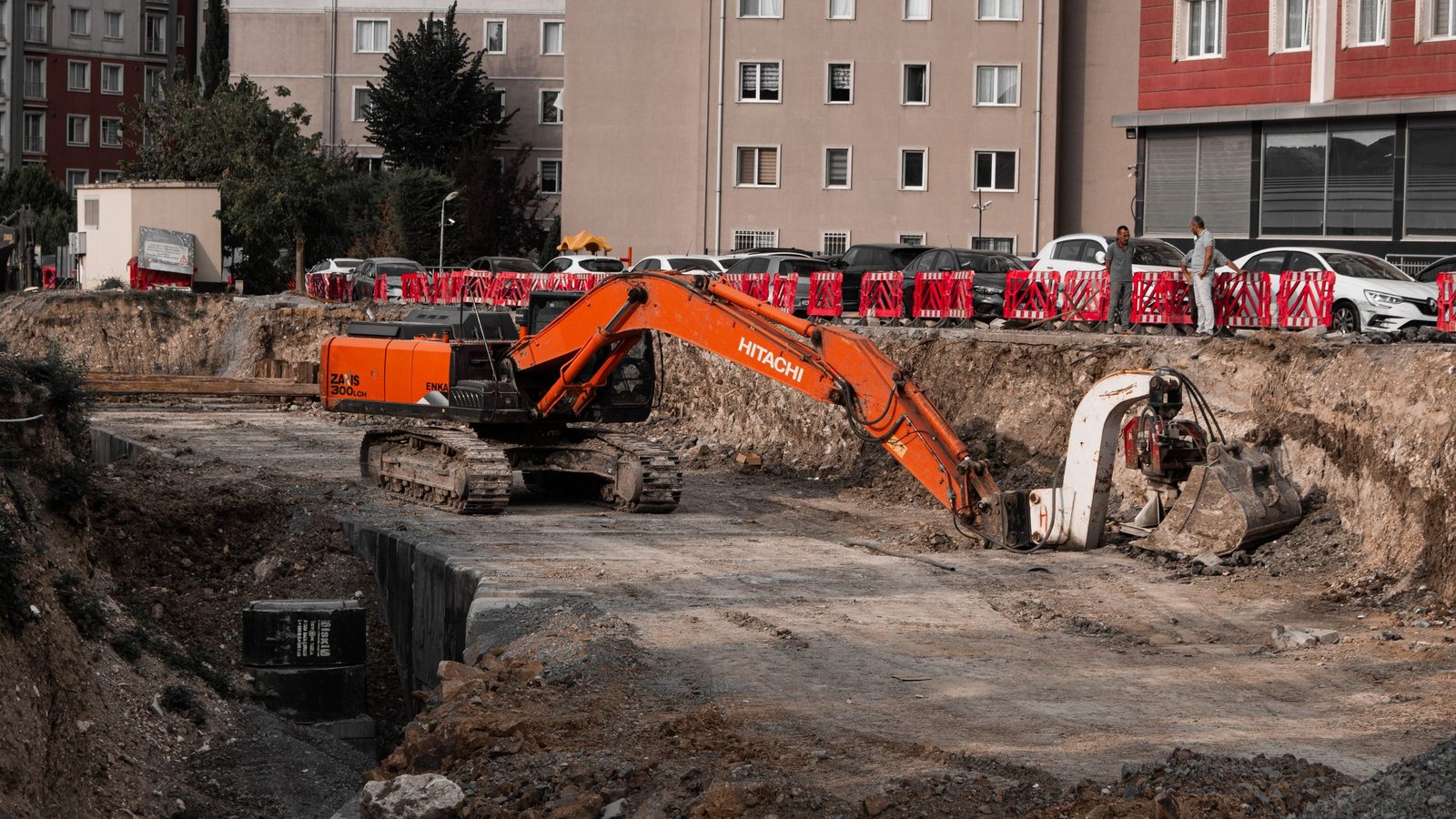
Larger excavators are commonly used for demanding construction and infrastructure projects. Their greater digging capacity makes them suitable for deeper excavations, larger pipelines and substantial drainage installations.
These machines can handle a wide range of soil conditions when equipped with appropriate attachments. They also provide flexibility for related activities, including material removal, site preparation and backfilling.
However, larger excavators require more operating space and may not be suitable for narrow residential sites. Contractors should consider machine dimensions, transport requirements and ground stability before choosing this equipment.
Selecting an excavator with suitable digging reach and bucket capacity can help maintain productivity throughout the project.
Considering Soil Conditions and Ground Stability
Soil conditions have a significant influence on machinery selection. Soft soil, compacted clay, gravel and rocky ground can each present different excavation challenges.
For example, hard or rocky ground may require specialised attachments or equipment designed for more demanding cutting conditions. Softer ground may allow contractors to use conventional excavators or dedicated trenchers.
Ground stability is equally important. Excavation work can create serious hazards, particularly when trenches become deep or unstable. Contractors must assess ground conditions and implement appropriate protective measures, such as suitable trench support or protective systems, according to applicable safety requirements.
Machinery should always be operated by trained personnel following site-specific procedures.
Evaluating Equipment Costs and Maintenance
The most suitable machinery is not necessarily the largest or most expensive option. Contractors should compare equipment hire costs, fuel consumption, maintenance requirements and expected project duration.
Hiring may be a practical option for occasional trenching work, while purchasing can make sense for businesses with regular excavation requirements.
It is also important to check the machine’s condition, service history and attachment compatibility before use. Well-maintained machinery can help reduce unexpected downtime and support consistent project progress.