


Almost all houses will at some point require minor fixing. The door handle breaks off. The shelf tilts. The frame requires mounting. With the right equipment at hand, these tasks become a matter of minutes rather than days.
It does not require huge financial investment to begin working on your home. This article will guide you on what to purchase, when to purchase, and how to maintain the purchased tools. It is written to cater to any reader seeking a functional toolbox.
Start With the Jobs You Do Most
Think about all the repair jobs you have done in one year; these may be projects like making yourself a bookcase, repairing your wobbly cupboard door, or even hanging pictures. List down all these things and you’ll know what tools you can reuse and what not.
It is useful to have an idea of the tools and fittings once you know what you need. You may consider visiting a local store such as Keeler Hardware for this purpose. It will be helpful to carry a picture of your job or the old fitting along with you.
The Hand Tools Every Home Needs
These tools are all that you need to do almost any kind of work using only hand tools: a claw hammer, a few screwdrivers, adjustable pliers, a measuring tape, and a bubble level. In addition, you may need a pocket knife and a small hand saw.
Try to get the best tool money can buy for those tools that you will be using a lot. The right screwdriver fits well into your hand and holds onto the screw while you use it. A bad screwdriver may actually strip the screw and make the job harder. Take the tool in the store before you purchase it.
Do You Need Power Tools?
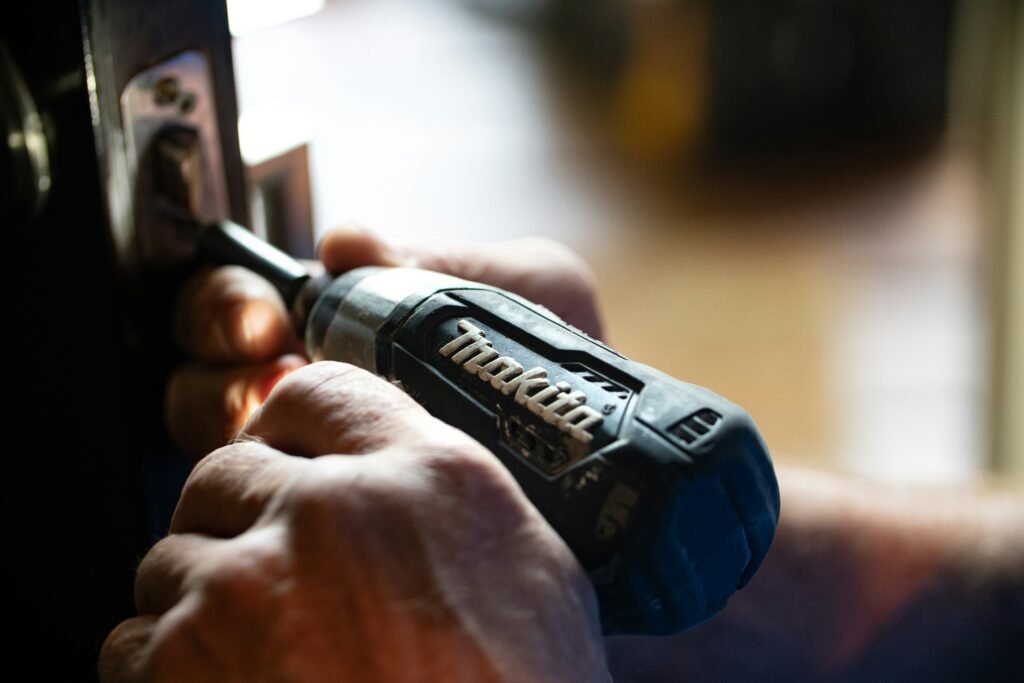
Most people rely on the cordless drill as their most used power tool in household activities. It drives screws easily and drills holes in wood and walls with the correct bit attachment. Buy a drill that uses a rechargeable battery that can be removed so that you can purchase additional tools within that series of tools.
The remaining power tools can wait till another day. It is ideal to use a circular saw or sander for bigger tasks since it takes time to learn to operate these machines and it occupies a lot of space in your workshop. However, buying one of them may not be affordable for some projects.
Small Parts That Make a Big Difference
Quality materials are but part of the story. The right type of screw, the right anchors, the nails and the appropriate brackets are all that will hold a repair job together. The improper use of the wrong material is the single greatest reason for repair failures, period.
An organiser with the sizes labelled allows everything to be kept in order. It also avoids the need to run out to the store during a job if the right size isn’t available. When uncertain about what your wall requires, don’t hesitate to ask someone in the know.
Stay Safe While You Work
Cost of safety equipment is less than injury. I strongly suggest that goggles, gloves, mufflers, and dust masks must always be kept ready in your tool box. These should always be worn before cutting, grinding, or drilling operations are carried out. This just takes a couple of seconds and very soon will become a habit.
It is necessary to establish some good practices. It is necessary that your workshop should be neat and lit properly. It is recommended that the electrical tools should be unplugged first when changing the blade and bits. Make sure that you read the user manuals when using new equipment.
Keep Your Tools in Good Shape
The life span of tools increases if you take care of them. They should be stored either in a strong toolbox or hanging on a wall in racks out of reach of humid places. It is a fact that many of the garages have humidity that leads to rust formation.
Proper care needs very little effort. It is important to apply some oil to their moving parts occasionally and keep their batteries charged according to the manufacture’s guidelines. Keep them in the same place and know where they are always.
Build Your Kit Step by Step
An effective tool kit doesn’t necessarily require a weekend to accomplish. Begin by assembling some basic tools and adding more to your collection when a need arises for a project. Invest more in those tools you use most frequently while keeping it simple with other tools. Eventually, you will end up having a comprehensive toolkit that will work well for you.