
When it comes to underground installation work, precision and efficiency are key. Whether you’re laying pipes, cables, or drainage systems, the right tools can make all the difference. Enter trenchers—powerful machines designed to simplify these tasks drastically. Instead of digging by hand or relying on less efficient methods, hiring a trencher offers speed and accuracy in one neat package. In this blog post, we’ll explore how trencher hire can transform your underground projects from tedious to streamlined while ensuring you get the job done right. Let’s dive into the world of trenchers and discover their benefits!
Benefits of Using a Trencher for Underground Installation Work
Using a trencher for underground installation work offers a range of advantages. Trenchers are designed to dig narrow and precise channels in the ground. This allows for minimal disruption to the surrounding landscape. hiring trenchers from Sunstate can provide access to equipment suited to different trenching requirements.
Speed is another key benefit. Trenchers can complete tasks much faster than manual digging, saving valuable time on projects. With powerful blades, they cut through soil efficiently, reducing labor costs significantly.
Moreover, trenchers improve safety on job sites. Their design minimizes the risk of injury compared to traditional digging methods. Plus, operators can maintain better control over their equipment.
Versatility also plays a role in their appeal. Whether laying pipes or cables, trenchers adapt easily to various materials and conditions. They help ensure that installations meet industry standards seamlessly without unnecessary delays or complications.
In short, choosing a trencher enhances efficiency while streamlining underground tasks effectively.
Trenchers and Their Functions
When it comes to trenchers, variety is key. Each type serves a specific purpose, catering to different installation needs.
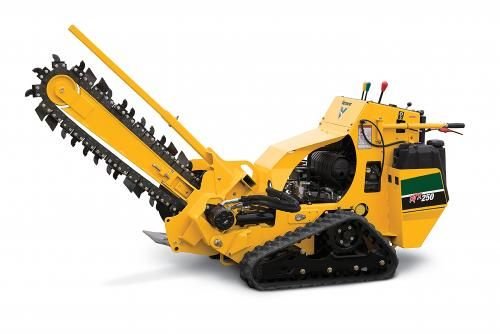
The walk-behind trencher is ideal for smaller jobs. It’s compact and easy to maneuver in tight spaces, making it perfect for residential projects like installing irrigation systems or electric lines.
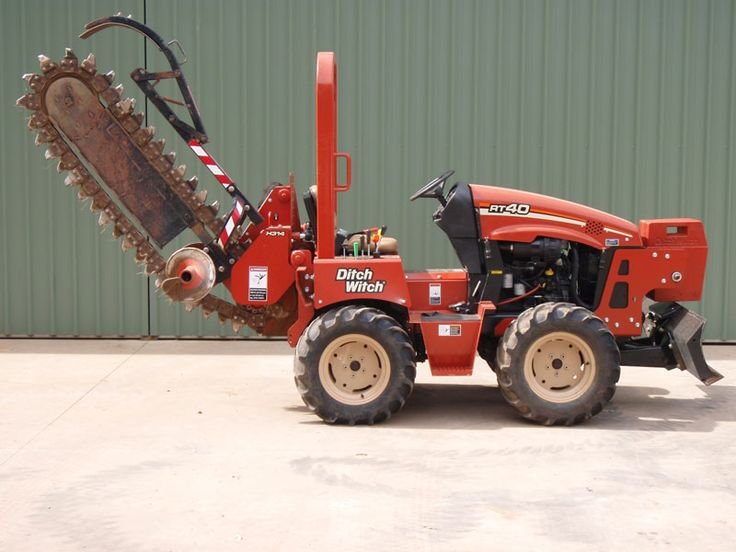
For larger tasks, the ride-on trencher shines. With its powerful engine and wider cutting capabilities, this machine can handle extensive landscapes with ease. It’s suited for commercial applications that require deep trenches over long distances.
Chain trenchers are another popular option. These machines use a rotating chain equipped with sharp teeth to cut through tough soil types quickly. They’re especially effective for utility installations where depth precision matters.
Wheeled trenchers offer versatility on various terrains. Their ability to adapt makes them suitable for both soft and hard surfaces alike, ensuring efficient digging no matter the conditions.
Factors to Consider When Choosing a Trencher Hire Company
Choosing the right trencher hire company can significantly impact your project’s efficiency. Start by assessing their equipment selection. A diverse fleet indicates they cater to various needs.
Next, consider their reputation in the industry. Look for online reviews and testimonials from previous clients. Positive feedback often reflects reliability and quality service.
Pricing is another critical factor. While you want a good deal, be cautious of unusually low rates that may compromise equipment quality or service support.
Additionally, check if they provide maintenance services during the rental period. This can save you time and headaches down the line.
Don’t overlook customer support. A responsive team can assist with any questions or issues that arise during your project, ensuring smooth operation throughout your trenching work.
Maximizing Efficiency with Trencher Hire
When it comes to maximizing efficiency with trencher hire, preparation is key. Before you even get the machine on-site, take time to plan your project carefully. Map out the exact area where trenching will occur and be mindful of any underground utilities. This planning stage can save you from costly mistakes.
Ensure that the site is clear of obstacles. Remove debris or anything else that might interfere with the operation of the trencher. A clean workspace not only speeds up the process but also enhances safety for everyone involved.
Familiarize yourself with how to operate a trencher effectively if you’re doing it yourself or ensure that your hired operator is well-trained and experienced. Understanding how different attachments work can also help in choosing what’s best for your specific needs.
Staying organized throughout the project contributes significantly to efficiency. Keep all necessary tools and materials nearby so that there’s no downtime searching for equipment while working on trenches.
By following these tips, using a trencher becomes more streamlined, turning a potentially daunting task into a manageable one without unnecessary delays.