

Advertising waste seldom heralds itself with a spectacular warning. It builds up over time from irrelevant searches, lost settings, poor tracking and advertisements that keep running because they appear to be getting clicks. By the time the monthly report shows up, the budget has already gone in ways the business never meant it to.
Practical audit doesn’t stop at the superficial measures. A rising click through rate may be heartening, but it can’t tell you if queries are relevant, purchases are lucrative or tracking has double counted the same action. Starts with linking account activity to actual business outcomes.
Sign One: Search Terms Are Telling the Wrong Story
Check out the real words that are causing adverts in professional google ads management in melbourne often. You need to look at your match types and exclusion lists These searches are for jobs free resources unconnected places or goods the company does not provide
The second sign is a marketing structure that combines unconnected services. Generic ads and shared budgets obscure which offer is doing the work. By separating themes you generate clearer relevance and you may safeguard the valuable places from weaker traffic.
Signs Three and Four: There Are Clicks But No Proof
If you call every button press a conversion, performance will look better than it is. Tracking has to be able to distinguish between site views, inadvertent taps and duplicate events, and important activities. Call quality and confirmed opportunities provide context for lead creation.
Another red flag is a landing page that is getting traffic but isn’t delivering on what the ad promised. Paid attention can be turned into bewilderment by a slow load, wide navigation or a hidden touch action. Before raising bids, you should look at message match and mobile usability.

Signs Five and Six: Automation Without Railings
Automated bidding can process more signals than a human, but it is still chasing the goal it is assigned. “If the conversion data is bad or the values are wrong, the automation can scale the wrong behaviour efficiently.” Clear objectives, dependable tracking and acceptable boundaries are needed.
The sixth sign indicates the end of creative works. Ads that used to work can become irrelevant as competition, offers and client expectations change. Testing should be about important hypotheses, proof points, not infinite variations in punctuation.
Sign Seven: Reports Report Activity, Not Decisions
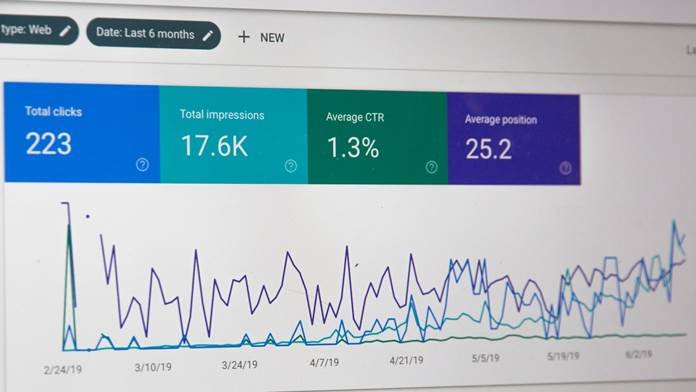
A helpful report outlines what changed, why it changed, and what will be evaluated next. Impressions and clicks on dashboards aren’t enough when they never relate performance to revenue, lead quality, or strategic priorities.
The solution is an operating rhythm: evaluate search keywords, validate tracking, check budget movement, compare results and describe the next hypothesis. This discipline does not eradicate uncertainty. But it does assure that knowledge is produced every month. The healthiest account isn’t the one with the most switches flipped, but the one where spend, consumer intent and business value stay obviously linked.
Lastly, compare advertising reports to what frontline teams are hearing. Reception staff, salesmen and customer service teams typically spot bad-fit queries before a dashboard does. Their comments can reveal deceptive text, missing exclusions or an offer that needs clearer qualifying.