

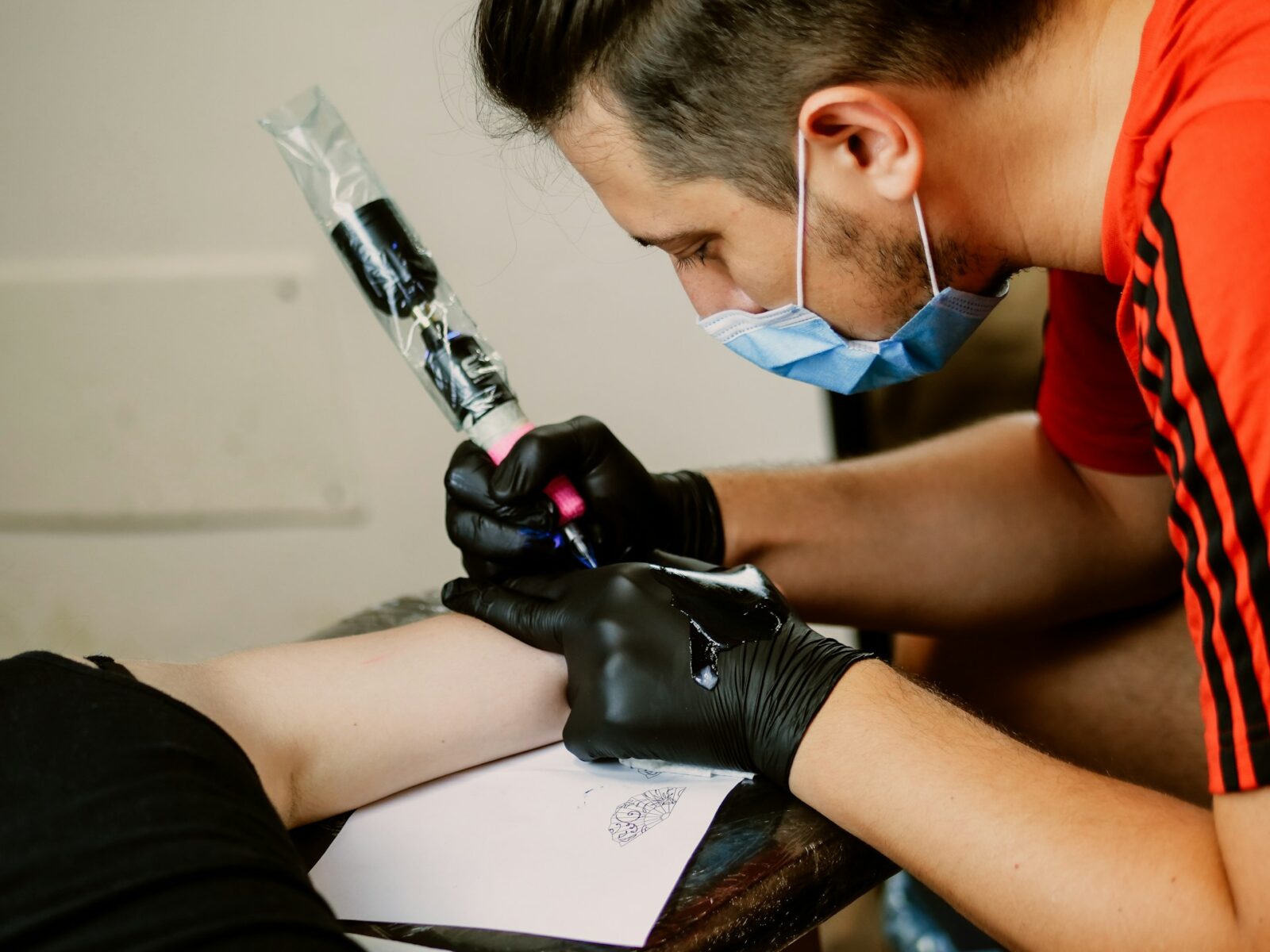
Tattoos may be pretty works of art and tales about an individual. But as time goes on, preferences shift, relationships transform or situations in life alter–many of them decide to make a second thought of that tattooed mark on the skin. You are not the only one who has found himself in this situation. Tattoo removal is an emerging trend where individuals are in need of a new life or they just want to erase the canvas to come up with new graphics.
However, there is one thing that must be done before entering the world of tattoo removal you need to do some form of education on the subject and what it involves. There is no end to it between the knowledge of the various ways that can be used and the information about the possible risks. Then the more about all you ought to know before making this big choice.
Understanding the Process of Tattoo Removal
Tattoo removal is a process that involves a lot of consideration as it is a multi-step process. The initial process would be the first appointment with a professional tattooist that will evaluate your tattoo and negotiate your intentions.
At this evaluation process, such factors as the size, colour and age of the tattoo are put in consideration. Such information can affect what approach will be most successful on your part.
After making a decision, laser treatment is normally done. The lasers used to treat skin are specialized and focus on the particles in the ink and break them down so that they can be eliminated in your body over time.
However, it is worth mentioning that several sessions can be required in order to be fully removed. The sessions can last between 15 to one hour depending on several variables.
Post treatment care is also important in guaranteeing the best outcomes and reducing the discomposure during the recovery process. The knowledge of these steps will enable you to be ready both mentally and physically towards the future.
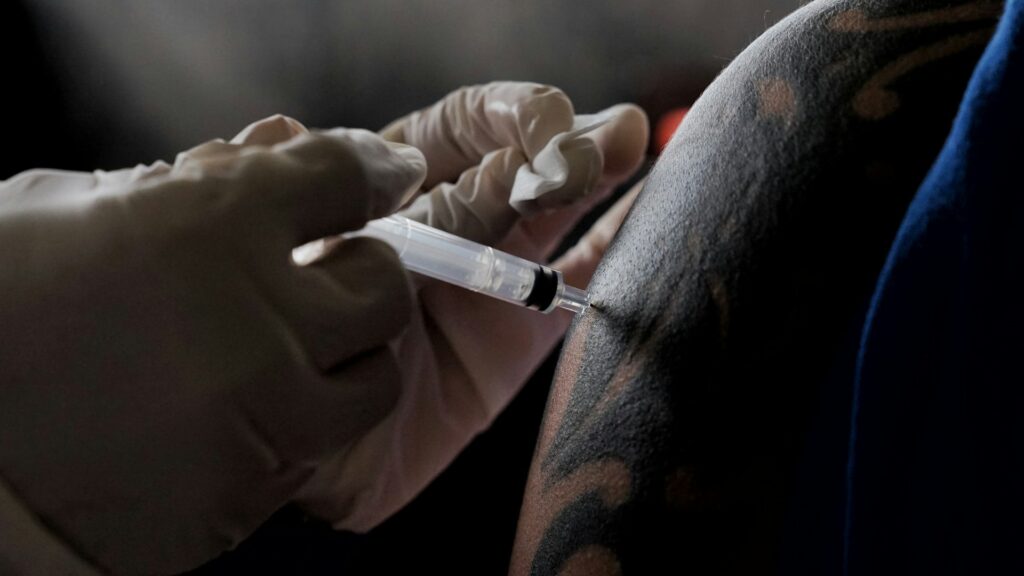
Factors to Consider Before Getting a Tattoo Removed
Whatever the reason as to why you want to remove a tattoo, consider it before you make the decision. Does it represent a sign of remorse, or is it just that you changed your taste? Knowing your motivation can lead in the process.
Take into consideration the age and size of the tattoo. Tattoos that are old might also fade as compared to newer tattoos. Tattoos that are large in size take many sessions before they can be fully removed.
Your skin type is also a factor. The skin colors respond to different forms of removal in different ways. It is possible to evaluate this point with the help of a professional.
Another factor that is necessary is cost. Removal of the tattoo sometimes costs a lot and also depends a lot on the method and place.
Consider how uncomfortable you are willing to be about the process. Certain techniques are more excruciating than others; hence prior knowledge of how the activity is going to feel will get your mind over it.
Different Methods of Tattoo Removal
In the aspect of removing tattoos, there is a number of ways used with respective pros and cons.
The most common one is laser removal. It employs beams of light which can be directed to the skin in order to destroy ink particles. This technique is viable but it might take several sessions to achieve maximum outcomes.
Dermabrasion is a procedure that entails the topical sanding of the skin in which the tattoo has been placed. Although this technique may yield good results, it may take more time to recover.
Chemical peels are based on acid to peel off and strip off layers of skin which contain ink. This is not as prevalent as laser treatments, but some individuals opt to use this therapy because it is non-invasive.
The other alternative is surgical removal especially on small tattoos. In the method, a physician excises the tattooed skin and sews up the region. It is fast and causes scars.
Both methods imply different things in various situations and circumstances.
Risks and Potential Side Effects
Removal of tattoos may even have risks attached to it. Skin irritation is one of the common concerns. The treated area may have redness, swelling or itching.
Scarring is also a possibility. Some may experience permanent changes in the skin texture depending on the type of skin and how it was done.
Another danger of having tattoos removed is infections. Open wounds that result due to treatments require good care to prevent the growth of bacteria.
Also, pigmentation may change. There are those individuals who experience skin lightening or darkening after removal, which causes uneven skin.
Emotions should not be disregarded either. This change in body art will bring a sense of relief and regret on the way through. These are the side effects that you will be aware of hence making better decisions in the future.
Aftercare Tips for Tattoo Removal
Follow-up is the key to the optimal outcome of your tattoo removal. Correct care may be used to minimize the side effects and facilitate healing.
First, do whatever your practitioner tells you to do. They will offer you advice depending on your situation. Wash and dry up the affected area to avoid infection. Wash with a light soap that will not make your skin swell.
It is also important to moisturize. Use a lotion or ointment which is not fragranced as advised without skin pores becoming coated. Do not expose the area to the sun until it has completely healed, UV rays may discolor and cause slow healing process.
In case of swelling and/or pain, a cool compress will help. OTC pain relievers can also come in handy as long as you need them but they should be checked first with your provider.
Keep a regular check on the site whether there is any abnormal development like redness or presence of pus as this development might depict that there is an infection that needs medical care.
The main thing during this process is patience. The process of healing is a long process and outcomes are not necessarily immediate after every tattoo removal session. Being proactive on aftercare will also provide you with a higher possibility of having clear skin in the long run.