
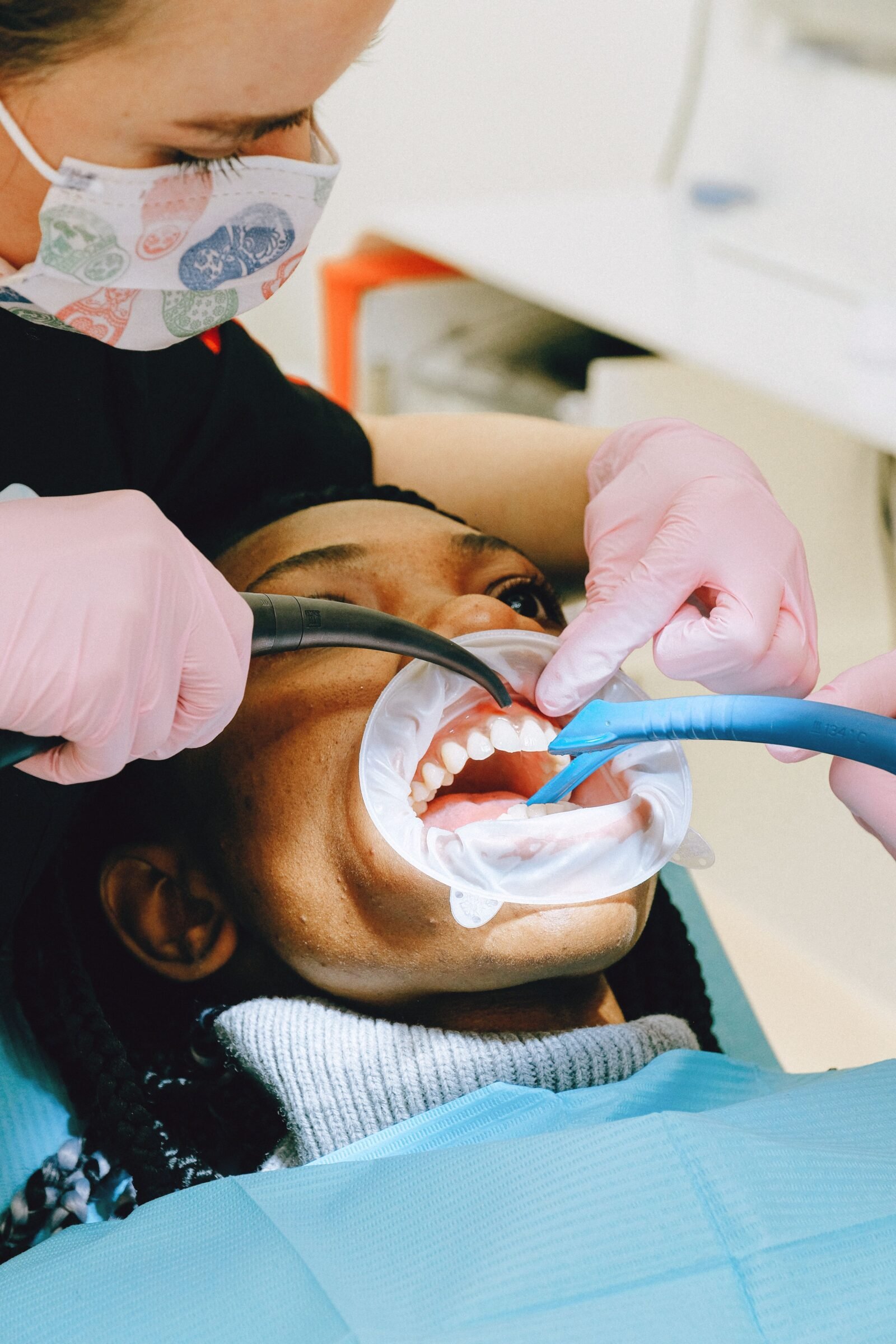
Time Is Crucial
As reported by Better Health Victoria, the chance of keeping a knocked-out tooth alive reduces if it stays outside of the gum for a long period of time. That is why first-aid measures become extremely important in case an adult tooth gets knocked out.
When holding a knocked-out tooth, grab its crown, that is the white part above the gum. It is important to avoid touching the root. If there is dirt on the knocked-out tooth, wash it for a few seconds using milk or saline solution. Saliva can also be used, but only in cases where there is no access to both solutions mentioned above. In case when the person is conscious, the tooth should be put back to the original place in his mouth, starting with the root. Afterwards, the person can bite on the tissue to fix the tooth’s place in the mouth. An immediate visit to an emergency dentist Bundoora is required.
If placing the tooth back is impossible, it should be kept in the person’s milk or saliva. However, water should be avoided in this case.
Treatment Of Baby Teeth Differs From Adult Ones
In case when a baby tooth gets knocked out, it should not be returned back to the mouth because it may damage the adult tooth which develops under it. In addition, a consultation with a dentist is needed.
Chipped or cracked teeth require immediate treatment too. Even though there is no pain, early treatment may help to save a tooth.
In Case Of Swelling
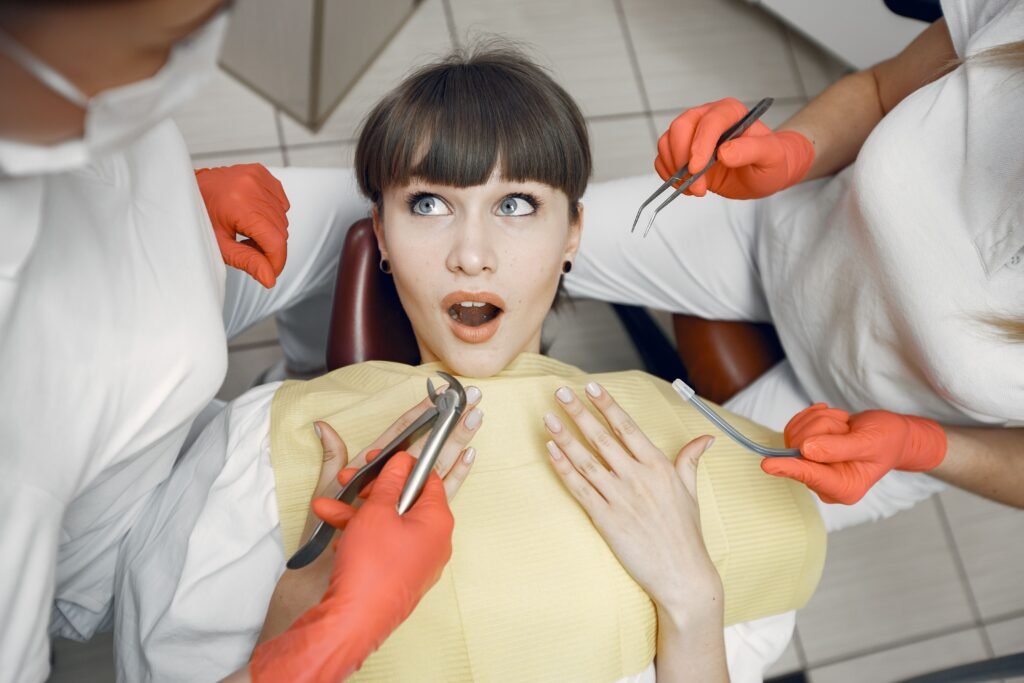
Swelling in connection with dental pain is a sign of something serious. Healthdirect mentions several common signs of a tooth abscess such as painful sensations while biting or chewing; sensitivity to heat or cold; swelling around the face, cheek or gums; fever; bad taste in the mouth and, sometimes, a loose tooth.
An abscess does not heal by itself, and antibiotics are not enough to treat this condition. A dentist may have to drain the pus, perform a root canal treatment or extract the tooth. If a person experiences difficulties in breathing or signs of an infection in the whole body, triple zero (000) should be called. For non-urgent assistance, Healthdirect provides nurses who can be contacted 24/7 at 1800 022 222.
Knowing What Can Be Put On The Backburner
Not every dental issue needs to be tackled in an emergency. Spotting the signs early on can help people avoid having to hang around for a treatment that can be put off, or something that can’t be delayed. If you’re experiencing pain that eases up with simple pain relief and you’re not seeing any swelling, then you can probably wait it out till the next available appointment.
But if you’re dealing with facial swelling, a fever, bleeding that just won’t stop or you’ve knocked out a tooth, then you need to get to the clinic right now. Give them a ring before you head off to see if they can give you some advice on which way to go; do you need to come in or is it something you can deal with at the hospital? Keep a note of any medicines you’re on and any allergies you’ve got handy; that way the medical team can move a bit faster if you end up in a busy emergency room.
Where You Can Get Help When The Clinic Is Shut?
Victoria has a few options for emergency dental care. Better Health lists Oral Health Victoria as an emergency dental info source, and you can ring them up on 1300 360 054 if you need some advice. Community dental clinics and the Royal Dental Hospital of Melbourne also do emergency work. If you’ve got a regular dentist, you might be able to get them on the phone during normal hours.
But if the clinics are shut, then you might have to use an out-of-hours medical service; they’re listed all over the state, so just ring ahead to check their opening hours and what you’re eligible for before heading out.
Just a tip, saving the after-hours contact number in your phone before this happens can be a lifesaver if you do end up in a spot of bother late at night.
Protecting Teeth While Playing Sports And Preparation Of An Emergency Kit
Most often, dental accidents occur on the playing field or the court. The Better Health Channel suggests wearing a mouth guard while playing sports where chances of injuries to the mouth exist. Such sports include football, rugby, soccer, basketball, netball, water polo, and hockey. One can get a professionally designed mouth guard from the dentist.
A small-sized emergency kit will be helpful during the first hour. It should contain a covered box, a carton of cold milk kept in the refrigerator, tissue paper or gauze, and a list containing important phone numbers including the one for your own dentist and 24-hour services. These items don’t cost much money, but searching for them after the accident will cost you precious time.