
Kitchen renovations often begin with removing existing cabinets, countertops, flooring, appliances and other unwanted materials to prepare the space for a new design. Although demolition may appear to be a straightforward process, it requires proper planning, suitable tools and knowledge of different construction materials. Using inappropriate equipment can increase the risk of property damage, create safety concerns and make the renovation process more difficult. Professional demolition equipment plays an important role in ensuring that kitchen removal work is completed efficiently and carefully. By using the right tools and machinery, demolition contractors can manage challenging tasks, protect surrounding structures and create a clean foundation for new kitchen installations.
Understanding the Role of Professional Demolition Equipment
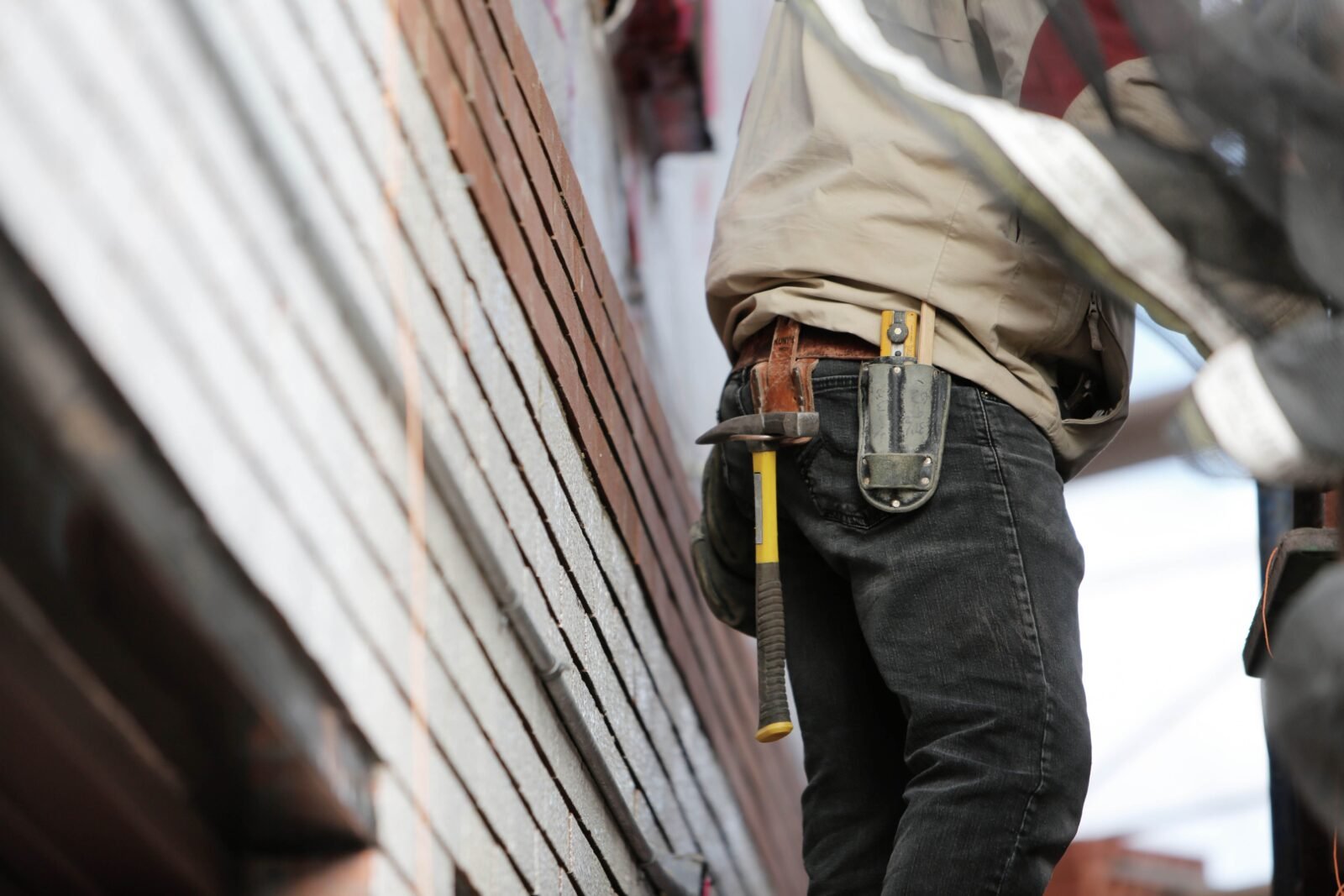
Professional demolition equipment is designed to make the removal of existing kitchen materials safer, faster and more controlled. Different tools are required for different tasks, including dismantling cabinets, removing countertops, breaking tiles and taking out flooring materials. Equipment such as demolition hammers, reciprocating saws, pry bars and specialised cutting tools allows contractors to handle various materials according to their installation methods and condition. Using appropriate equipment can reduce unnecessary physical effort and help workers complete difficult tasks with greater accuracy. For projects involving All Gone kitchen demolition services suitable equipment also allows demolition teams to manage the removal process more effectively and maintain better control over the work.
The selection of equipment depends on the size of the kitchen, the materials involved and the amount of demolition required. Smaller projects may only need basic hand tools and portable power equipment, while larger renovations can require more specialised machinery and dust-control systems. Professional contractors understand how to select suitable tools for each stage of the project and use them according to appropriate safety procedures. This knowledge is particularly valuable when working in homes where certain walls, floors and fixtures need to remain undamaged. Choosing the right equipment helps ensure that unwanted materials are removed without creating unnecessary complications for the remaining renovation work.
Improving Efficiency and Accuracy During Kitchen Demolition
Using professional demolition equipment can significantly improve the efficiency of kitchen renovation projects. Removing old cabinets, countertops and flooring manually can require considerable time and physical effort, particularly when materials are securely attached or difficult to access. Suitable power tools and specialised removal equipment help contractors complete these tasks more quickly while maintaining control over the work. For example, reciprocating saws can assist with cutting through selected materials, while demolition hammers can help remove stubborn tiles and concrete sections. Having access to the right tools allows workers to approach different demolition tasks systematically and maintain a more organised workflow.
Accuracy is equally important because kitchen demolition often takes place in areas where existing structures and utility connections must be protected. Professional equipment can help contractors remove specific materials without disturbing nearby surfaces unnecessarily. Controlled cutting and dismantling methods are particularly useful when homeowners want to preserve certain cabinets, walls, flooring sections or other fixtures. Experienced workers understand how to adjust their equipment and techniques according to the task, reducing the possibility of accidental damage. Careful removal also makes it easier for renovation professionals to inspect the exposed areas and prepare them for new installations. This can contribute to a smoother transition between demolition and rebuilding.
Enhancing Workplace Safety with Suitable Demolition Tools
Safety is one of the most important reasons to use professional demolition equipment during kitchen renovations. Demolition activities can involve sharp materials, heavy fixtures, flying debris and airborne dust, all of which may create risks for workers and household occupants. Professional tools are designed for specific applications and can help reduce unnecessary physical strain when used correctly. However, equipment alone does not guarantee safety. Contractors must also follow appropriate operating procedures, wear suitable protective equipment and ensure that workers understand how to handle different demolition tasks. Combining proper tools with professional experience helps create a safer environment throughout the project.
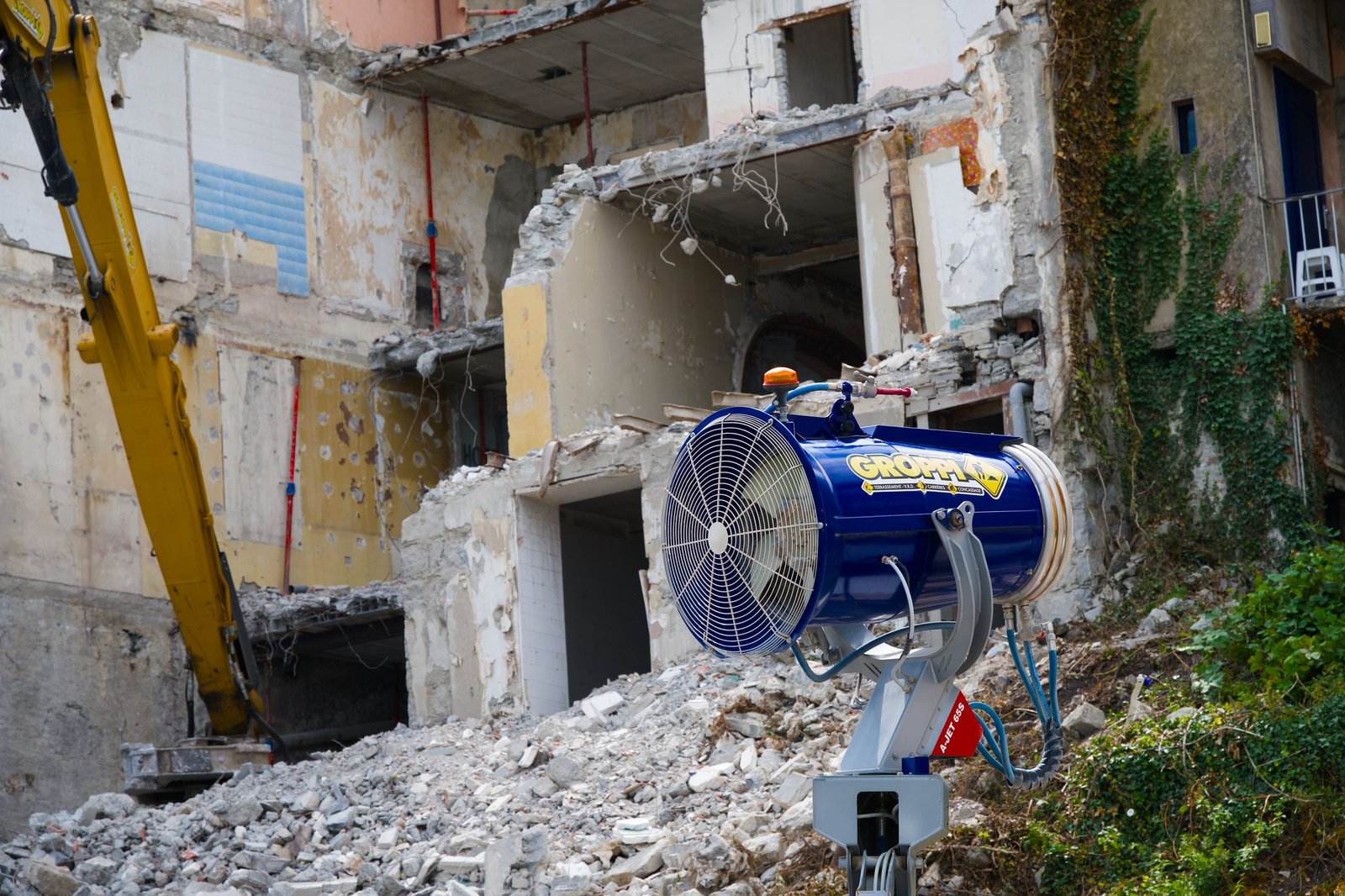
Dust management and protection of surrounding areas are also important parts of workplace safety. Removing tiles, cutting wood and dismantling drywall can release particles that may spread throughout the home. Professional demolition teams may use dust extraction equipment, suitable ventilation systems and protective barriers to control these materials. Before demolition begins, workers should also identify electrical wiring, plumbing pipes and other utility connections that could be affected by the removal process. Electrical and gas services should be handled by appropriately qualified professionals. Using suitable equipment alongside careful preparation helps minimise hazards and supports more responsible demolition practices.
Protecting Existing Structures and Reducing Unnecessary Damage
One of the main benefits of professional demolition equipment is its ability to support controlled material removal. During kitchen renovations, homeowners may want to replace certain features while keeping other parts of the property intact. For example, cabinets may need to be removed without damaging nearby walls, or old countertops may need to be dismantled while preserving the existing cabinet framework. Using appropriate hand tools, cutting equipment and specialised removal tools allows contractors to work more precisely around these areas. This controlled approach can help prevent unnecessary repairs and preserve materials that may still be suitable for future use.
Professional equipment is also valuable when demolition involves more complicated materials or areas with limited access. Removing stone countertops, tiled backsplashes and firmly attached flooring may require specific tools and techniques to avoid damaging nearby surfaces. Contractors should assess the condition of these materials before selecting their equipment and determine whether additional protection is needed. Structural elements require particular attention, especially when renovation plans include changes to walls or other permanent features. Any proposed structural removal should be assessed by an appropriately qualified professional. Taking a careful approach helps maintain the condition of the property and prepares the kitchen for the next stage of renovation.
Supporting Better Waste Management and a Smooth Renovation Process
Professional demolition equipment can also make construction waste easier to manage during kitchen renovations. Removing cabinets, countertops, flooring and other materials generates debris that needs to be collected, separated and transported appropriately. Suitable cutting and dismantling tools can help break down large items into manageable sections, making transportation and disposal more organised. Contractors may also use heavy-duty waste containers, collection equipment and protective coverings to keep the work area clean. Proper waste management is important because accumulated debris can create safety hazards, restrict access and interfere with other renovation activities.
Efficient waste handling can also support recycling and responsible material disposal. Certain materials, including metal fixtures, untreated wood and selected construction products, may be suitable for recycling or reuse depending on their condition and local facilities. Professional demolition contractors can help identify materials that should be separated rather than mixed with general waste. Before hiring a team, homeowners should ask what equipment and waste management services are included in the project quotation. Understanding these arrangements can help avoid unexpected expenses and ensure that the property is left organised after demolition. By combining suitable equipment, skilled workers and proper planning, kitchen demolition can become a more efficient and controlled part of the overall renovation process.