
Take in your hand the brickies sand and then the washed sand, and you will see the difference immediately. While the former sticks together slightly with a sticky feeling, the latter falls off your hands like sugar. And this small difference in the texture determines how successful your mortar will be, the flatness of your paving and the drainage of your garden.
Same Material, Numerous Uses
At first sight, the sand looks the same no matter where it stands. Nevertheless, as any search for sand delivery near me shows, there are various sands with different properties for very specific purposes. The amount of clay, the grains’ shape and the washing influence the behaviour of sand when exposed to pressure and water.
Common sands include the following:
- Brickies sand that contains clay to provide mortar with proper texture.
- Washed sand without any impurities for making concrete and improving drainage.
- Paving sand that allows paving stones to settle on it.
- Top dressing sand that is applied to lawns for an even surface.
- Play sand that is washed and sifted for playgrounds.
And if you choose unsuitable sand, you will get cracks in the joints, weedy paving stones and wet garden beds.
Uses Of Sand In The Garden
Clayey soil often creates serious problems for gardening in Australia, particularly in some areas of Melbourne, Adelaide and Sydney. The mixture of coarse washed sand and a lot of compost makes the clayey soil loose, allowing the roots to grow. Fine sand prevents achieving this effect and forms the crust after the rain.
Thin top dressing can successfully smooth out the surface and help the runners cover bare spots. It is better to carry out this procedure during the warm season as grass regenerates fast and grows through this layer.
Sandpits Deserve A Little Extra Care
An expensive or unlabelled sand might seem like a great deal, but let’s face it, in a sandpit, it’s often not worth the saving. Builders sand has a habit of staining clothes and it can also bring particles into the mix that just aren’t suitable for young kids. When it comes down to it, sand specifically made for play is just the safer option.
And while we’re on the topic of safety checks, they really do matter, especially lately. Back in November 2025, the ACCC issued a recall for a bunch of coloured and decorative kids’ sand products that were found to possibly contain asbestos. Thankfully, the health risk was pretty low, but families were still told to stop using the affected products straight away and get rid of them properly.
This is a good reminder that just because a label says the sand is “washed” or “screened”, it doesn’t necessarily mean it’s safe. Checking the national product recalls list before buying, and keeping receipts handy, is just one way to give yourself some real peace of mind. And a cover over the sandpit is a good way to keep out the local wildlife, as well as the wind-blown debris that tends to find its way in.
Getting Paving And Mortar Sorted
Pavers rely on the foundation they’re built on. A solid, well-compacted base is crucial, and a good layer of bedding sand lets each paver sit nice and level. Jointing sand then fills the gaps, locks the pavers together and makes life a bit harder for ants and weeds.
But when it comes to mortar, it’s a different story. For laying bricks and blocks, you’re going to want to mix some brickies sand with cement to create a smooth paste. Washed sand is a better choice for concrete, though; clay in the mix will weaken the whole structure.
Weather can play a bigger role than most people give it credit for. Wet sand weighs more, and can add some unwanted extra water to the mix, throwing off the ratios. And if you’re doing any sort of paving or bricklaying on a mild, dry day, your life will be a lot easier. Most suppliers will be able to confirm the best mix for the job, or you can have a read of the instructions.
Where Does the Sand Come From?
Most of the sand delivered to our homes comes from quarries or river and coastal deposits. With all the new housing developments and road projects going on, there’s a lot of demand for it, and quarries are often having to get further and further out of the city as the suburbs keep spreading. This can add a lot of extra fuel and time to each load.
But things are slowly changing, with alternatives like crushed recycled glass and manufactured sand made from quarried rock starting to get more popular. Both of these options can ease the pressure on natural deposits, but it really depends on the specific job you’re doing.
Making Delivery Day A Bit Easier
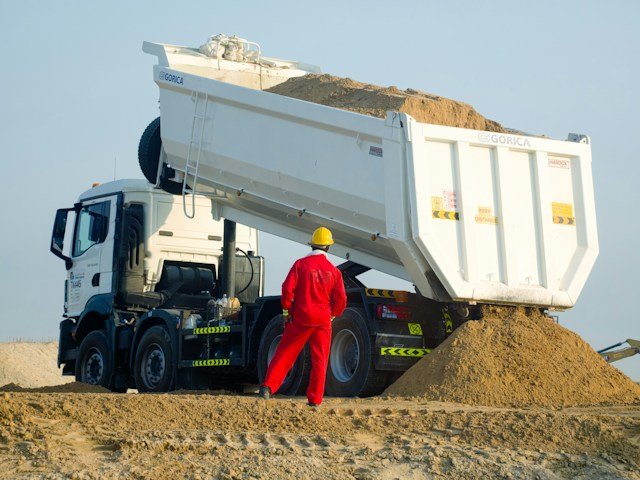
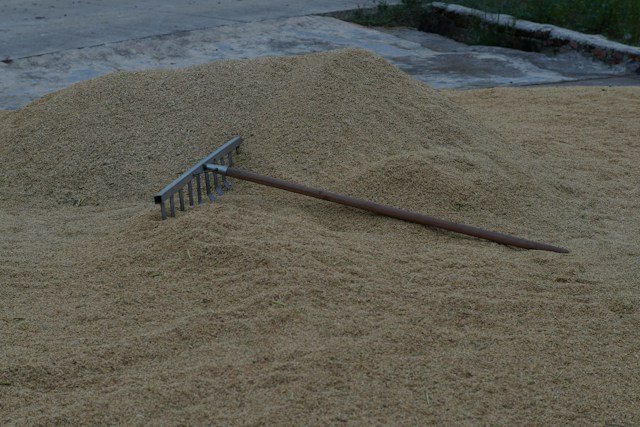
Sand is usually sold by the cubic metre, so it’s a good idea to measure out the area and depth first, just to make sure you’re ordering the right amount. And when the truck arrives, make sure you’ve got clear access for it; it needs firm ground and room to tip safely.
Once the load lands, it’s a good idea to get into a few good habits to protect the site and the street:
- Cover the pile up with a weighted tarp between work sessions.
- Keep stockpiles away from drains and sloping driveways.
- Sweep up spills from paths and roads rather than hosing them away.
Good quality sand can go unnoticed once the job is done, and that’s sort of the point: a nice, even surface, solid walls and a safe sandpit for the kids to play in.