
The stretch of land between Mordialloc and Chelsea Heights has seen a major growth in allied health services over the last decade. We’ve got an ageing population, more young residents taking up sports, and a greater awareness about musculoskeletal health. All of these factors have contributed to the boom. Chelsea Heights osteopathy is now actually offering a wider range of services than most people would expect from a suburb this size.
What’s Behind the Bayside Corridor’s Rise as a Health Hub?
Chelsea Heights and its surrounding suburbs, Bonbeach, Carrum, and Aspendale Gardens, have become a hotbed for osteopathic practices, all serving the same general area. This has created a bit of competition between them. That has forced the practices to stay ahead of the game with things like extra training for staff, the latest equipment, and longer hours to see patients. In the end, it’s the patients who benefit from all this competition.
Local sports clubs and people who use the foreshore trail to get some exercise have been passing on a steady stream of sports injuries to the area’s osteopaths. That has meant local osteopaths have been able to gain a lot of practical experience that bigger practices in other areas might not get.
Osteopathy vs. Physiotherapy vs. Chiropractic, The Lowdown
Now you might think they’re three different things, but in reality the overlap in techniques between them is actually pretty big. Physio tends to focus on getting people to exercise after they’ve had an operation or have a neurological problem.
Chiropractic care is all about spinal adjustments, and you’ll often see them offer ongoing checkups. Osteopathy takes a more holistic view and will actually assess the whole person, not just the joints and muscles. The scope is pretty big, but the evidence base is still a bit patchy depending on what you’re treating. Patients who have got a number of issues going on often find that the way osteopaths at Chelsea Heights osteopathy do things is a lot more suited to their needs than just going to one particular specialist.
Women’s Health Osteopathy, A Specialised Area in the Local Area
Women’s health osteopathy covers a range of things, pelvic floor dysfunction, endometriosis-related pain, pregnancy care, and recovery after having a baby. One thing that can be really helpful for women who have had a C-section or have had perineal trauma is some work on scar tissue using visceral osteopathic techniques.
Pelvic health and lymphatic drainage are areas where some local osteopaths have actually gone and got extra training. Women who’ve been having pain in the pelvic area and have been told nothing is wrong, but they still can’t get comfortable, might find that looking at the whole pelvic structure can help.
The Chronic Pain Conversation That Clinic Brochures Like to Avoid
Chronic pain is not just an acute pain that’s turned up to 11. It’s a whole different ball game in terms of how the body responds. Treatment has got to take this into account. When it comes to chronic conditions, osteopathic treatment is just not as simple as booking more appointments.
A practitioner who is saying to every patient that they can fix everything with enough sessions isn’t being honest. They’re just not getting the message across. The best osteopaths in the area, the ones in Chelsea Heights, are the ones who can set realistic goals, help patients manage their own pain, and know what to do when a patient needs to see someone else, a pain specialist or a psychologist. That kind of honesty is actually what keeps people engaged in the process of getting better.
Clinical Pilates and Reformer Pilates as an Extension of Your Osteopathic Care
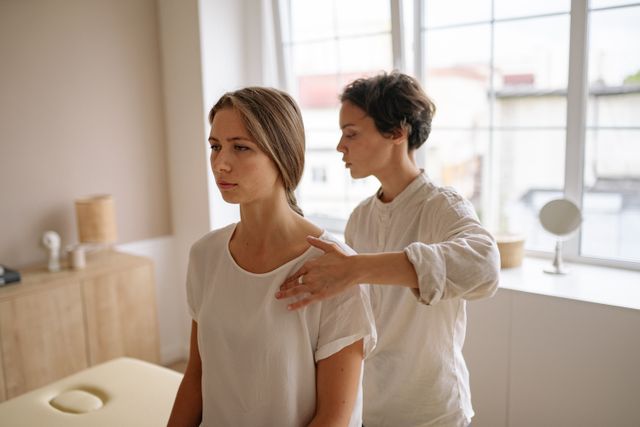
Clinical Pilates, run under the watchful eye of an osteopath, is way more than just a fitness class. It’s a super useful tool for helping you get better from a health problem. The reformer machine lets you work with different levels of resistance. That really helps you target and strengthen specific muscles that are being affected by what’s going on with your body.
The real key to getting better and staying that way lies in what happens next, moving from hands-on osteopathic treatment to doing exercises that are going to actually help you recover and get stronger. Having the ability to do both Clinical Pilates and osteopathy in the same place is pretty handy. It saves you having to go over all of your history with a new person every time you move on to a new stage of your recovery. That does make a big difference over the course of a long rehab program.