
The correct enclosure is not just a box in case of safeguarding sensitive equipment against harsh environment, but it is a barrier of danger. Extreme temperatures, moisture, dust, chemical exposure, whatever it may be, the right enclosure can be the difference between functionality and failure. There are too many products offered on the market and it can be so confusing to know what to seek. But fear not! This guide will take through you all that you should take into consideration in order to make the right decision in the selection of the ideal enclosure to meet the arduous conditions. Now, it time to jump into the protective enveloping world and make sure that your precious equipment is not harmed.
Learning the relevance of Harsh Environment Enclosures
Enclosures act as the first line of defense for equipment exposed to extreme conditions. They provide essential protection against dust, moisture, high temperatures, and other environmental hazards.
In industries such as manufacturing, oil and gas, or outdoor telecommunications, unprotected equipment can suffer damage that leads to costly downtime. A well-designed enclosure helps maintain consistent performance while reducing wear and tear.
Beyond physical protection, enclosures also support compliance with safety regulations. Many industries have strict standards governing how equipment must be housed, especially in hazardous environments.
Investing in high-quality protection is not just about safeguarding machinery—it’s a long-term investment in efficiency and reliability. This becomes especially important when considering the high costs associated with repairs or replacements caused by environmental exposure. Choosing the right industrial electrical enclosures ensures lasting protection and operational stability.
Considerations used when choosing an enclosure
The choice of the appropriate enclosure must pay close attention to a number of factors. Begin by the place where it will be placed. Will it be subjected to extreme temperatures, moisture or dust? All the factors can have a considerable effect on your decision.
Then consider the construction material used. Metal enclosures are durable yet they might not fit in corrosive environments. Conversely, plastics are light and resistant to wear and tear but perhaps not very strong.
Accessibility needs also should be considered. Will this maintenance need frequent access? It can create an enclosure, which is easy to enter, which will save time and effort in the future.
Do not ignore regulatory compliance; make sure that your solution of choice is industry safe and performance-wise. This is an important part of preventing the complications of the law in the future.
Budget limitations are also critical. The most important thing about making a wise investment is balancing quality and also cost without sacrificing key features.
Enclosure Protection types available
In choosing a harsh environment enclosure, it is important to know the kind of protection that is offered. Different types of applications demand different degrees of protection against such factors as dust, moisture, and excessive temperatures.
Ingress protection is usually referred to as IP ratings. An IP rating is the degree of resistance of an enclosure to solids and liquids. An IP65, e.g. is an example that shows that the product is totally dust tight and resistant to water jets.
The NEMA ratings are also important to determine environmental resistance. They encompass a variety of needs applicable to particular circumstances- such as corrosion or being frozen.
Durability can also be improved through the choice of the material. Stainless steel is very resistant to corrosion and polycarbonate is light in weight and gives it impact resistance.
Thermal management capabilities assist in controlling internal temperature of enclosures that are subject to extreme temperatures. This will ensure that they perform well in terms of giving maximum performance to the sensitive equipment that is housed within it without any fear of overheating or even freezing.
Selecting an Enclosure of the Right Size and Shape
The size and shape of an enclosure is an important aspect that needs to be selected to achieve optimal performance. A too small enclosure may result in overheating whereas a too large one may squander space and resources.
Take into consideration the size of your equipment. Make sure that there is space to add any other parts or cables you may require in future.
Form is a factor in practicality. Rectangular enclosures tend to maximize the internal space whereas cylindrical designs might provide exclusive aesthetic value as well as increased resistance to certain environmental conditions.
Accessibility should not be forgotten. Consider the frequency at which you will be required to access parts within the enclosure. An easy to enter design will also save time in case of a maintenance or upgrade.
One should not underestimate measurements because it has a direct impact on the convenience of installation and efficiency in extreme conditions. Every fact counts on the provision of long-term security of valuable equipment.
Customization Options and Special Features
In harsh environments, special features and choices of customisation can play a huge role when it comes to choosing a particular enclosure. Standard enclosures will not necessarily fit the application requirements in your application. That is where bespoke solutions perform well.
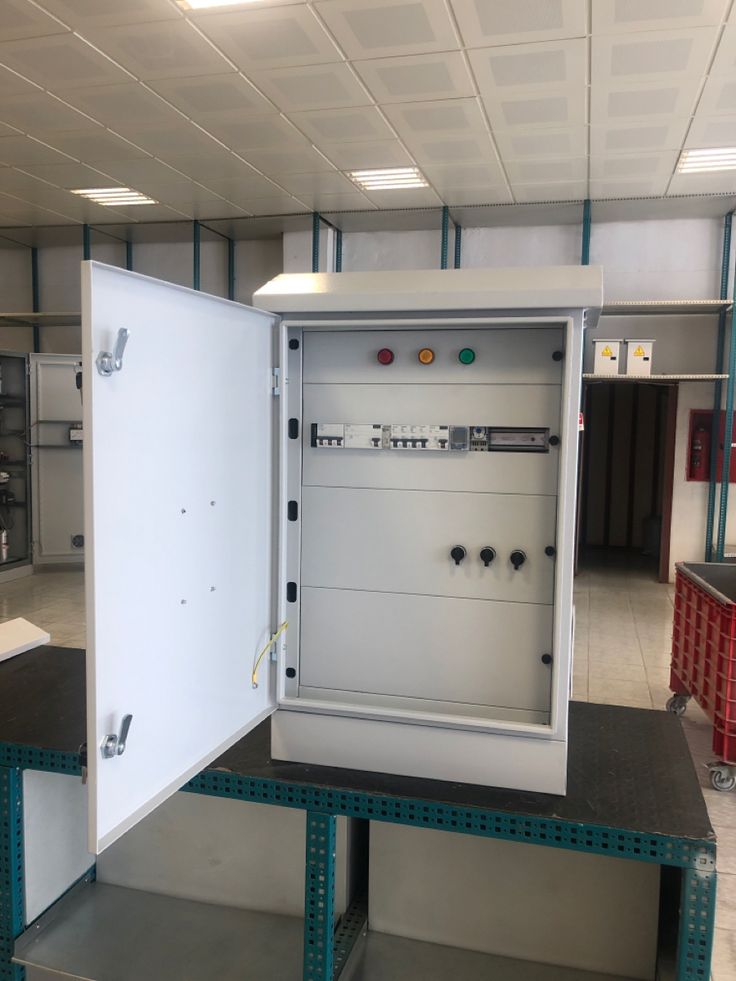
Take into account such things as temperature control, humidity resistance or ingress protection levels as may be required by your surroundings. In some cases, there are enclosures that contain an inbuilt cooling system and in some cases, they can provide insulation in extreme temperatures.
The construction material should also be something that should be considered. They have options such as stainless steel and polycarbonate that offer the various degrees of durability and resistance to chemical exposure or corrosion.
Customization does not end with materials, further customization such as adding mounting brackets, access panels, or viewing windows can be added to make it more useful. In more specialized applications, such as those that may deal with sensitive electronic equipment, it is necessary to incorporate shock mounts or vibration damping capabilities.
Ignoring the aesthetics aspect is not a good idea when it looks matter to you in your environment. You can have custom colors and finishes that will make functionality combine with design in a seamless way.
By adopting these special features you are not merely selecting an enclosure, you are making an investment in a strong solution especially designed to meet the harsh requirements. This is a considerate strategy that will protect your assets and maximize efficiency in the long-term.